
Why You May Need a Psychologist During the Monsoon Season
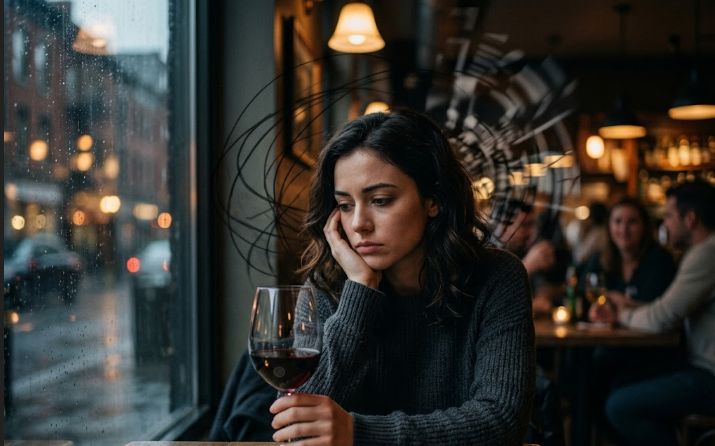
After a stressful day at work, many people turn to alcohol to relax. A glass of wine or another drink may provide temporary relief from tension, but this feeling does not necessarily mean that alcohol is helping your mental health. In fact, alcohol and anxiety can become closely connected when drinking is used regularly to manage stress, worry or emotional discomfort.
Understanding how alcohol affects anxiety can help you recognize unhealthy coping patterns and explore healthier ways to manage difficult emotions.
Does Alcohol Really Reduce Anxiety?
Alcohol affects the central nervous system and changes the activity of brain chemicals involved in relaxation, alertness and emotional regulation. Because of these effects, some people initially feel calmer, less inhibited or more comfortable in social situations after drinking.
However, this temporary feeling of relaxation is not the same as treating anxiety. As alcohol wears off, some people may experience nervousness, irritability, restlessness or increased worry. Hangover symptoms, dehydration and disrupted sleep can also make emotional discomfort more noticeable.
The effects vary from person to person. The amount consumed, drinking frequency, individual sensitivity and existing mental health concerns can all influence how someone feels after drinking.
Why Can Alcohol Make Anxiety Worse?
Alcohol can interfere with the brain’s normal balance of activity. While it may initially produce a calming effect, the body continues to adjust as alcohol leaves the system. This adjustment may contribute to feelings of uneasiness or heightened anxiety in some individuals.
Other factors can also play a role. Drinking may lead to poor sleep, physical discomfort, changes in blood sugar and hangover symptoms. These experiences can make it more difficult to cope with everyday worries.
For someone who already experiences anxiety, the day after drinking may involve:
- Increased nervousness or restlessness
- Racing thoughts
- Irritability
- Difficulty concentrating
- Physical tension
- Feelings of uneasiness
- Greater sensitivity to stressful situations
These symptoms do not necessarily mean that alcohol is the only cause of anxiety, but they may indicate a relationship worth exploring.
The Connection Between Alcohol and Panic Attacks
Panic attacks involve sudden episodes of intense fear or discomfort. They may include a racing heartbeat, sweating, trembling, dizziness, chest discomfort or a feeling of losing control.
Some people notice that drinking, hangovers or poor sleep make panic symptoms more difficult to manage. Alcohol can also make it harder to recognize or respond appropriately to early signs of anxiety.
If you experience recurring panic attacks after drinking, it is important not to assume that alcohol is the only explanation. A qualified healthcare or mental health professional can help assess possible triggers and identify appropriate support.
The Alcohol-Anxiety Cycle
A common pattern begins when someone drinks to cope with anxiety.
First, a person feels stressed or worried and decides to have a drink. The alcohol may provide temporary emotional relief. Later, however, anxiety may return alongside poor sleep, tiredness or hangover symptoms.
The person may then believe that another drink is necessary to feel calm again.
Over time, this pattern can make alcohol a regular coping mechanism. It may also reduce opportunities to develop healthier ways of managing difficult emotions.
Recognizing this cycle is an important first step toward changing it.
Alcohol and Stress Management
Stress is one of the most common reasons people drink. Work pressure, relationship difficulties, financial concerns and personal responsibilities can all contribute to emotional exhaustion.
Although alcohol may temporarily distract you from these problems, it does not address their underlying causes. Frequent drinking may also create additional difficulties involving sleep, relationships, finances or daily responsibilities.
Instead, consider developing a routine that helps you manage stress without relying on alcohol. Physical activity, relaxation exercises, time with supportive people and regular breaks can all be useful strategies.
For people who experience both anxiety and sleep difficulties, understanding how alcohol affects sleep and mental health can provide further insight into this cycle.
Signs That Alcohol May Be Affecting Your Anxiety
It may be helpful to examine your drinking habits if you notice any of the following:
- Anxiety regularly increases after drinking.
- You drink specifically to calm yourself down.
- You find it difficult to relax without alcohol.
- Drinking is followed by poor sleep or increased worry.
- You experience panic symptoms more frequently after drinking.
- Alcohol has become your main way of managing stress.
Keeping track of when you drink and how you feel afterward can help you identify patterns.
Healthier Ways to Manage Anxiety
If alcohol has become part of your routine for dealing with anxiety, consider exploring alternative coping strategies. These may include breathing exercises, mindfulness, regular exercise, structured daily routines and talking with someone you trust.
A psychologist can help you understand the thoughts, emotions and behaviours contributing to anxiety. Psychological therapies, including cognitive behavioural therapy, may also help people develop practical strategies for managing anxious thoughts and situations.
If you are concerned about your alcohol use, a healthcare professional can help you assess your drinking and discuss appropriate support.
When Should You Seek Professional Support?
Consider speaking with a qualified professional if anxiety is interfering with your work, relationships, sleep or everyday activities. Recurring panic attacks, persistent worry or increasing dependence on alcohol for emotional relief are also reasons to seek guidance.
If you drink heavily or regularly, seek medical advice before suddenly stopping alcohol. Withdrawal can sometimes cause serious symptoms and may require medical supervision.
Final Thoughts
Alcohol may provide temporary relaxation, but it is not a reliable long-term solution for anxiety or stress. For some people, drinking can contribute to poor sleep, physical discomfort and increased anxiety after its immediate effects disappear.
Understanding the relationship between alcohol and anxiety can help you recognize unhelpful coping patterns and take steps toward better emotional wellbeing. If anxiety or drinking-related concerns are affecting your life, professional support can help you explore healthier ways to cope.